How to Choose a Fragrance for Cooler Weather
Choose for the day’s actual indoor and outdoor settings, rather than a seasonal scent rule.
Published 2026-10-14 · Fragrentis editorial team2 min read
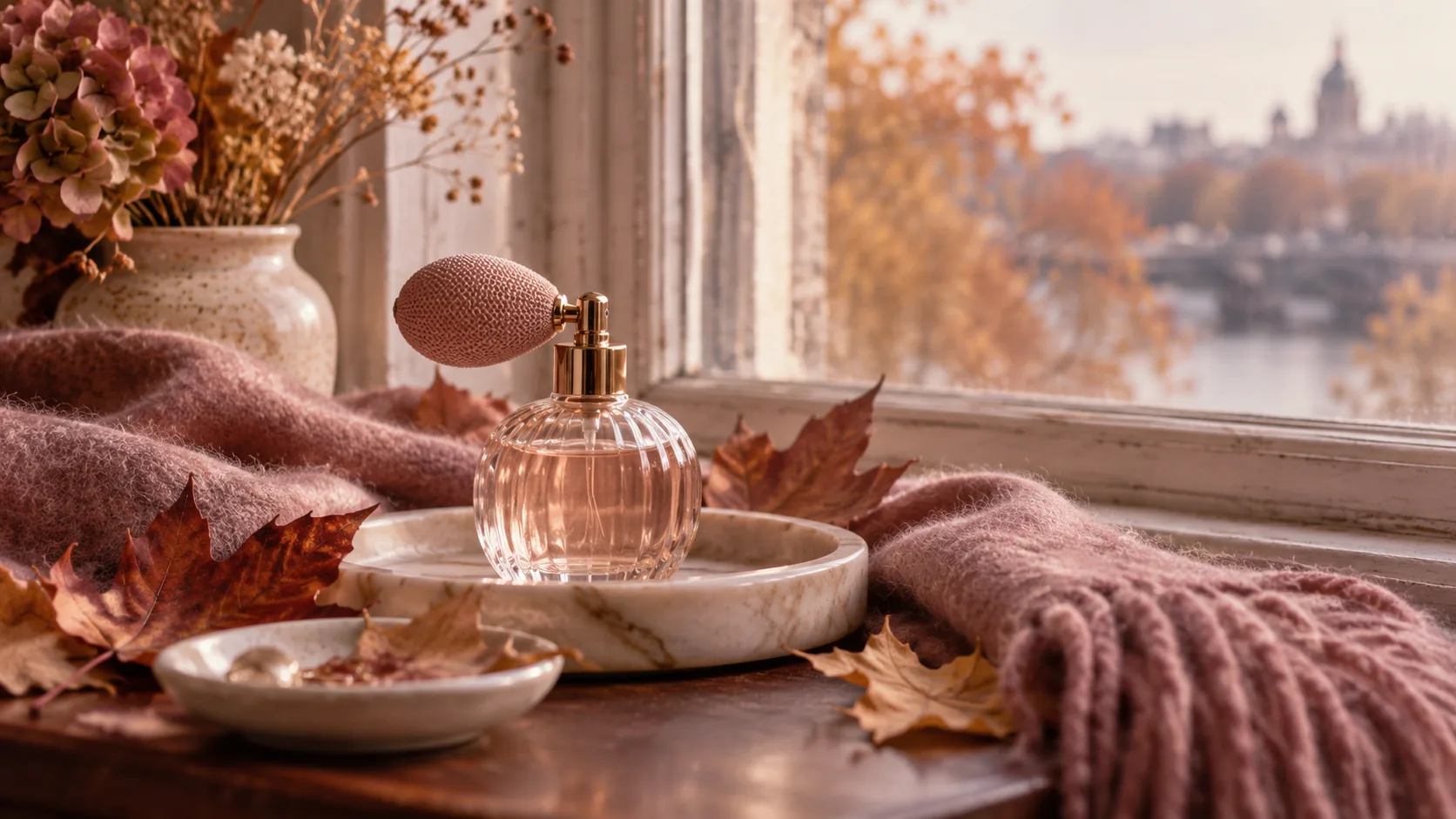
A cooler forecast does not require a heavier perfume. The useful question is where the day will take you: a walk in the open air, a crowded train, a warm office, or several of those in succession. Choosing for the actual itinerary gives you more to work with than a seasonal rule that assigns every autumn day the same scent.
Begin with the setting Write down the longest indoor part of the day. That is often where other people will share your space and where you will have the least control over distance. A fragrance that feels pleasantly noticeable during a brief walk may feel distracting at a close desk. This is a reason to assess the setting, not a prediction about a particular formula.
Then describe the mood you want in ordinary terms: crisp, dry, soft, familiar or sweet. Warmth is a descriptive impression, not a temperature measurement. If you enjoy fresh-smelling perfumes throughout the year, keep them in the comparison. There is no requirement to switch to vanilla or woods because leaves have changed color.
Compare textures rather than season labels Take two available samples with different descriptions. For example, compare a dry woody profile with a brighter aromatic one. Ask which feels comfortable once you have been indoors for a while. Avoid testing several unrelated bottles at once; a crowded comparison makes it harder to remember what you preferred and why.
Use a short observation card: setting, amount applied, first impression, later impression and whether you wanted to wear it again. Record times without turning them into a promised lifespan. One day's experience cannot establish what everyone will smell in another room or climate. Keep “I enjoyed this” separate from “this is objectively stronger.”
Plan for transitions An invented itinerary might be a twenty-minute walk, a train journey and four hours in a heated workspace. The decision is not simply outdoor versus indoor. In that example, choose with the longest shared setting in mind and resist adding more solely because it became less obvious during the walk. Check workplace fragrance preferences where relevant.
Keep the bottle out of the car and away from a radiator. Follow its maker's storage instructions rather than treating winter as protection against every temperature change. A cooler-weather wardrobe can be as small as one familiar choice and one alternative. The best seasonal adjustment may be changing when and where you wear them, rather than buying a new bottle.
A Fragrentis editorial publication. Editorial policy and disclosure.