Autumn Fragrance Ideas Beyond Cinnamon and Vanilla
Explore dry, green and woody impressions without making sweet notes an autumn requirement.
Published 2026-10-14 · Fragrentis editorial team2 min read
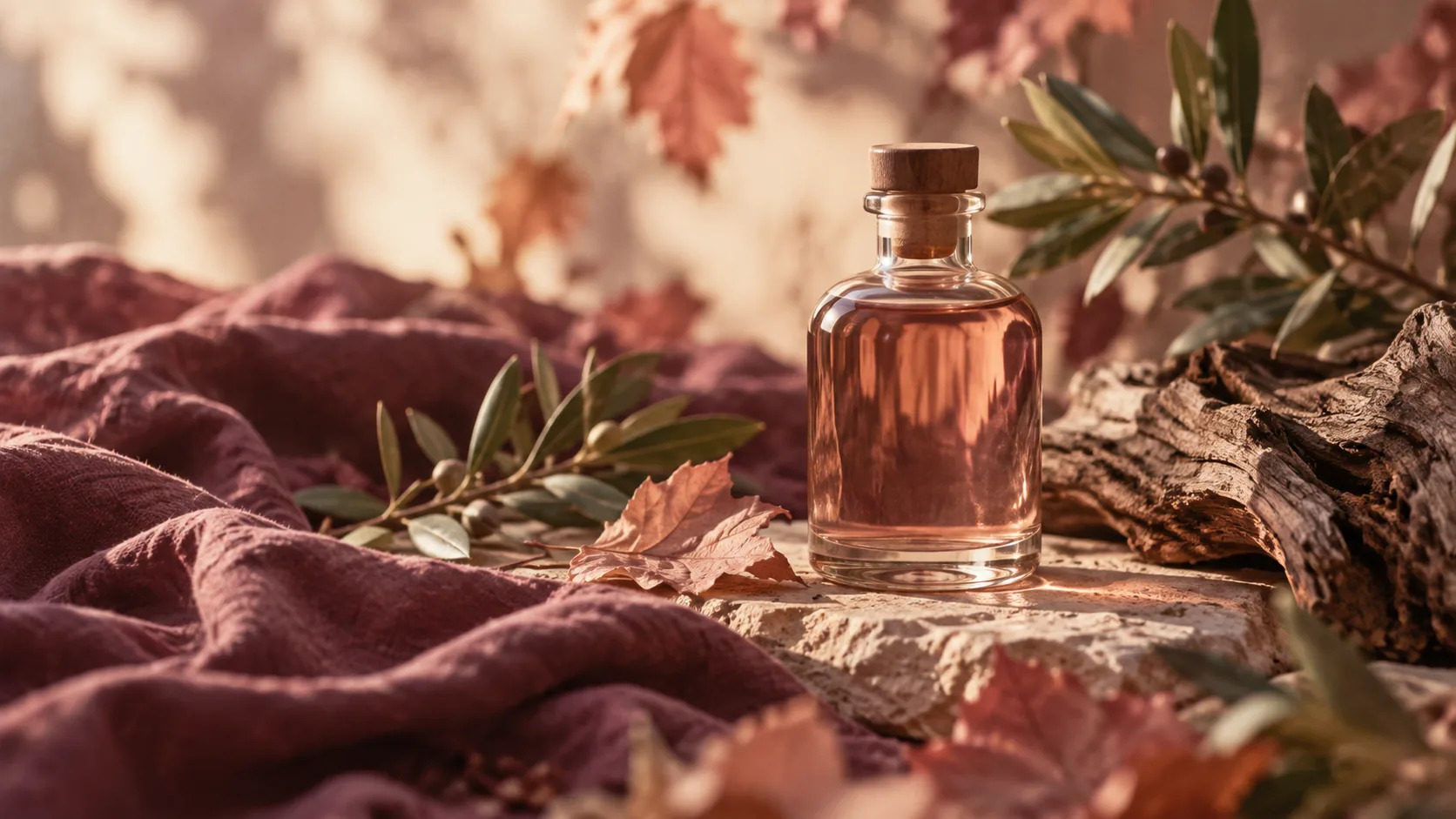
Autumn scent descriptions often return to cinnamon, vanilla and sweet warmth. Those associations can be enjoyable, but they are not the whole season. Someone who dislikes gourmand perfumes can still make a seasonal change. Consider the textures and settings you associate with autumn rather than treating a dessert-like note list as the entrance requirement.
Choose a different vocabulary Make a small list of impressions: dry, leafy, woody, polished, smoky, crisp or softly floral. Then narrow it to two that appeal to you. These words describe what you hope to notice; they do not guarantee a specific raw material is present. A perfume described as woody can be worth sampling even if it contains no familiar wood name in the public note list.
Look for contrast within your existing collection. A brighter aromatic scent might suit a brisk daytime outing, while a softer texture may be enjoyable on a quiet evening. Neither assignment is mandatory. If sweetness is the part you want to avoid, note it explicitly so attractive seasonal imagery does not distract from your actual preference.
Build a contrast card Divide a page into “wanted,” “unwanted” and “still curious.” An invented example might put dry texture under wanted, syrupy sweetness under unwanted and a smoky accent under still curious. That last column matters: it allows a question without committing to a bottle purchase.
Compare one candidate at a time in a setting you genuinely use. A note list is a starting description, so ask what the overall composition feels like after the opening rather than hunting for each named component. Record any mismatch between the description and your impression. You do not have to agree with the marketing language to make a useful decision.
Match the occasion, not the photograph An autumn countryside photograph says little about how a fragrance will feel during a crowded indoor lunch. Think about proximity, the length of the visit and any fragrance preferences your hosts have expressed. A restrained familiar choice is a valid seasonal option, and going without perfume is valid too.
You can revisit a bottle you already own instead of searching for an autumn release. Give it a different place in your routine and assess whether that change works. Seasonal curiosity is most useful when it widens the questions you ask; it becomes less useful when it narrows the acceptable answers to the same two sweet notes.
A Fragrentis editorial publication. Editorial policy and disclosure.